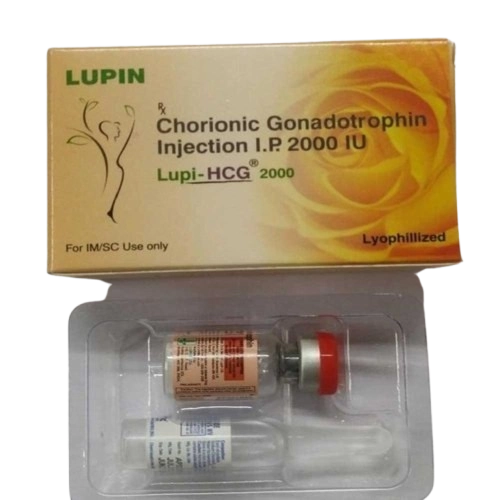
Proligon Human chorionic gonadotropin (hCG) (2000IU) 2000IU Injection
$6.60
$8.25Save 20%Product Overview
Proligon 2000IU hCG Injection aids fertility in women by supporting ovulation and treats male hypogonadism. Consult your doctor for personalized treatment.
Tags
About this Medicine
Proligon 2000IU Injection is a specialized pharmaceutical product containing Human chorionic gonadotropin (hCG), a hormone naturally present in the body. In a therapeutic context, Proligon is precisely formulated to assist in critical reproductive processes for individuals facing specific fertility challenges. Administered as an injection, this medication plays a vital role in both male and female reproductive health under the guidance of a healthcare professional. For women, Proligon 2000IU is frequently prescribed as part of fertility treatments. Its mechanism involves mimicking the action of Luteinizing Hormone (LH), which is crucial for triggering ovulation – the release of a mature egg from the ovary. This makes it an essential component for women undergoing assisted reproductive technologies like IVF or those experiencing anovulation, where natural egg release is impaired. By facilitating this pivotal step, Proligon helps improve the chances of conception. In men, Proligon addresses conditions such as hypogonadism, which can manifest as delayed puberty or a low sperm count. The hCG in Proligon stimulates the Leydig cells in the testes to produce testosterone, the primary male sex hormone. Increased testosterone levels can, in turn, promote the development of secondary sexual characteristics and support spermatogenesis, the process of sperm production. This makes it a valuable treatment option for improving reproductive function and addressing hormonal imbalances in men. Given its potent hormonal action, Proligon 2000IU Injection must always be used strictly as prescribed by a qualified physician. Treatment protocols are highly individualized, often requiring close monitoring of hormone levels and patient response to ensure both efficacy and safety throughout the course of therapy. Patients should ensure they understand the administration instructions and report any concerns to their healthcare provider promptly.
Related Products
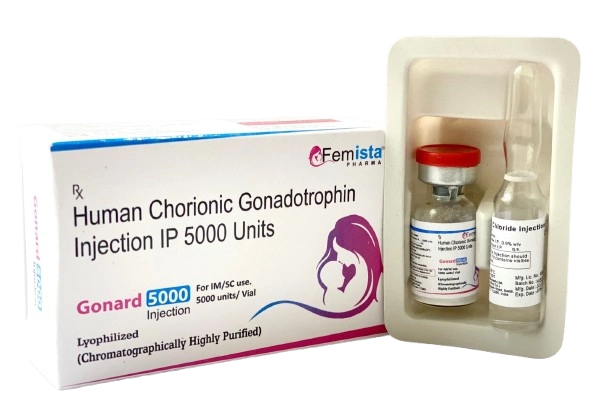
Proligon Human chorionic gonadotropin (hCG) (5000IU) 5000IU Injection
$8.80
$11.00
Save 20%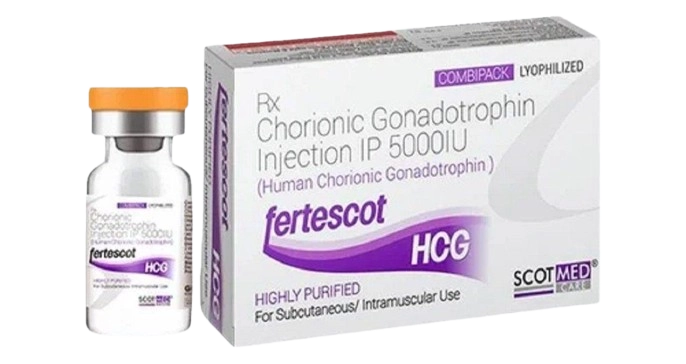
Human chorionic gonadotropin (hCG) (5000IU) Injection
$8.25
$10.31
Save 20%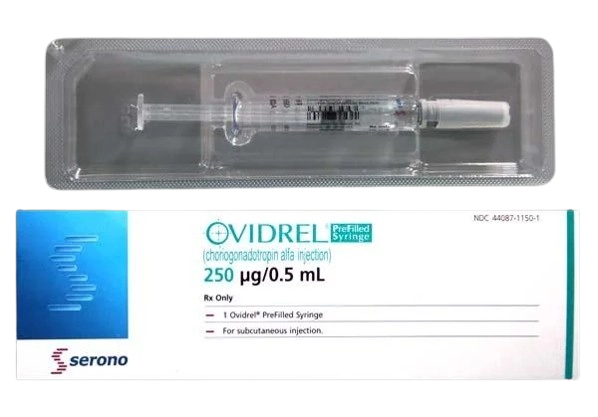
Ovidrel 250mcg Injection (Human chorionic gonadotropin (hCG) (250mcg))
$22.00
$27.50
Save 20%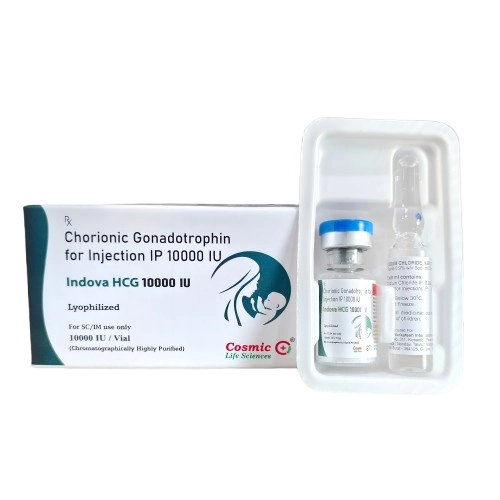
HCG 10000 IU (Human Chorionic Gonadotrophin)
$13.20
$16.50
Save 20%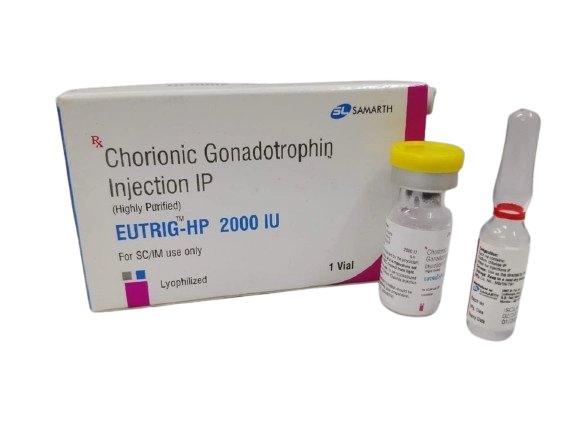
EUTRIG HP 2000 IU INJ
$8.80
$11.00
Save 20%.png?width=3840&quality=75&resize=contain)
Headon 4 IU Injection (Somatropin / Recombinant Human Growth Hormone) – 1 Vial
$19.80
$24.75
Save 20%
Zyhcg 5000IU Injection
$9.90
$12.38
Save 20%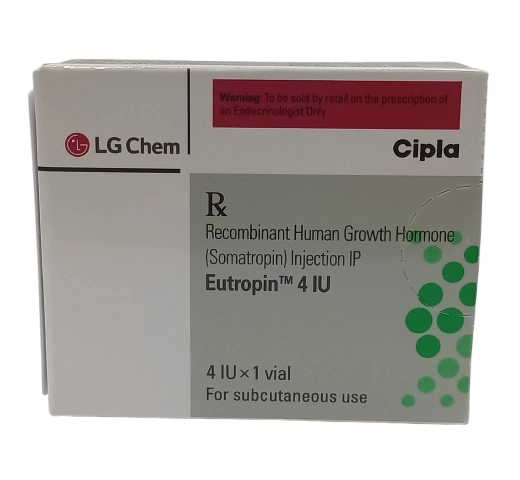
SOMATROPIN 4IU - EUTROPIN AQ 4IU INJ
$20.90
$26.12
Save 20%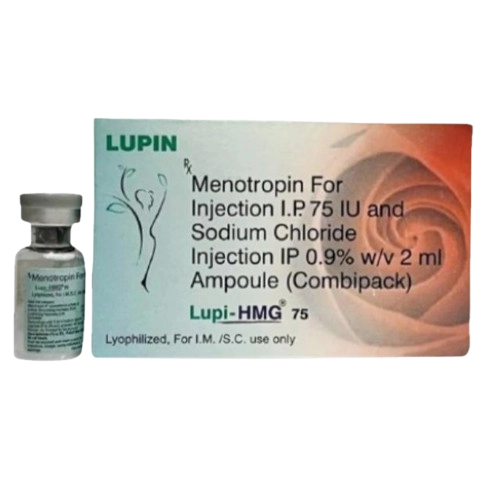
Lupi-HMG 75 Injection (Menotrophin 75IU)
$22.00
$27.50
Save 20%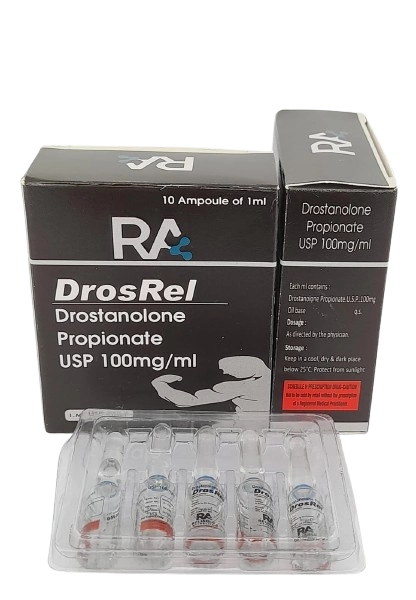
Drosrel 100mg Injection – 1ml vial
$5.50
$6.88
Save 20%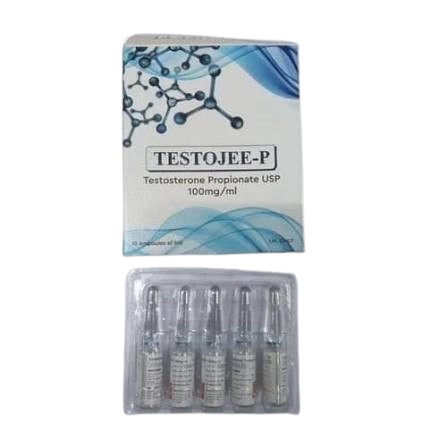
Testojee-P 100 mg Injection (Testosterone Propionate) – 1 ml Vial
$4.50
$5.63
Save 20%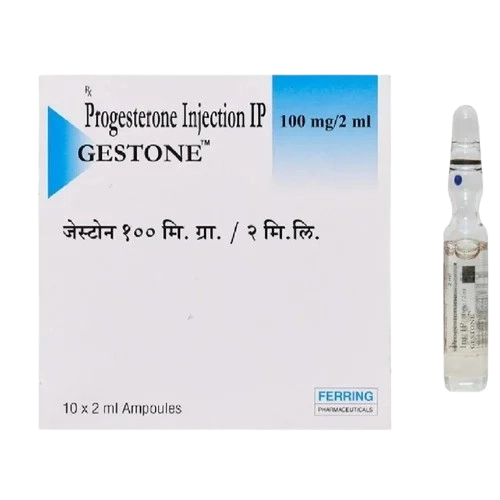
progesterone (100mg) (GEStone Injection)
$3.30
$4.12
Save 20%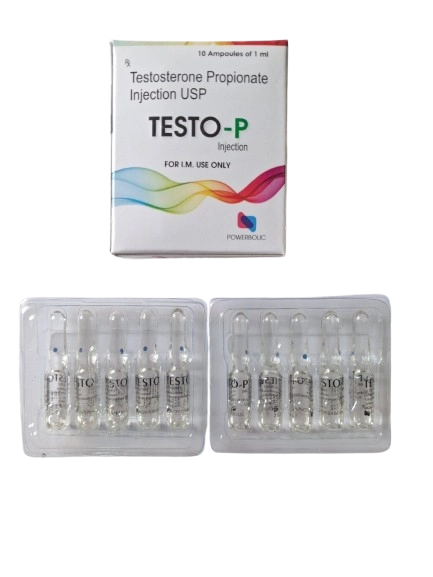
Testo-P 100 mg Injection (Testosterone Propionate) – 1 ml Vial
$5.00
$6.25
Save 20%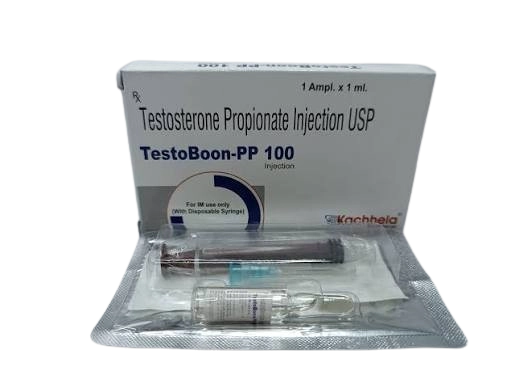
Testoboon-PP 100 mg Injection (Testosterone Propionate) – 1 ml Vial
$4.50
$5.63
Save 20%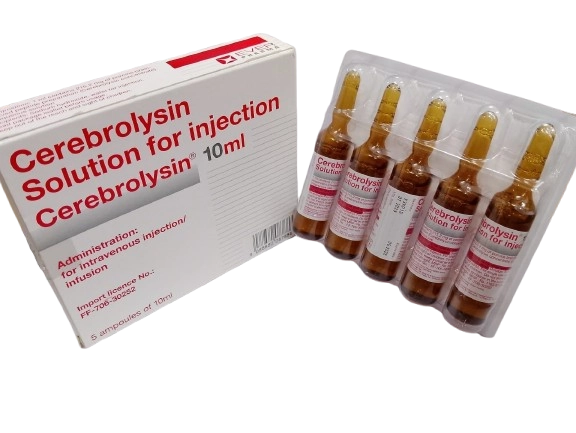
Cerebrolysin Injection 10 ml
$25.00
$31.25
Save 20%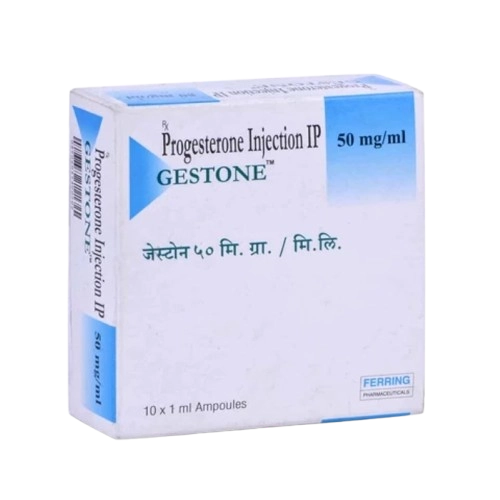
GEStone Injection Progesterone (50mg/ml)
$2.20
$2.75
Save 20%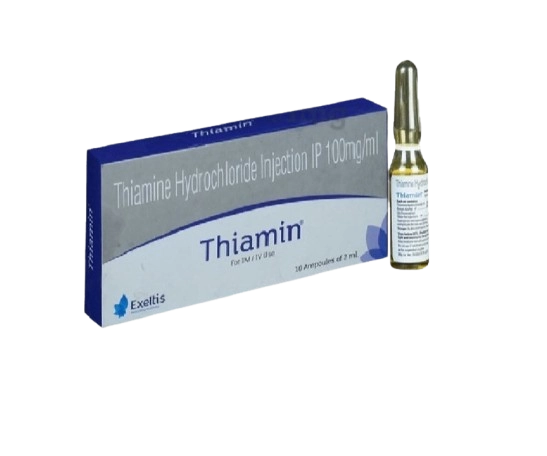
THIAmin Injection
$4.40
$5.50
Save 20%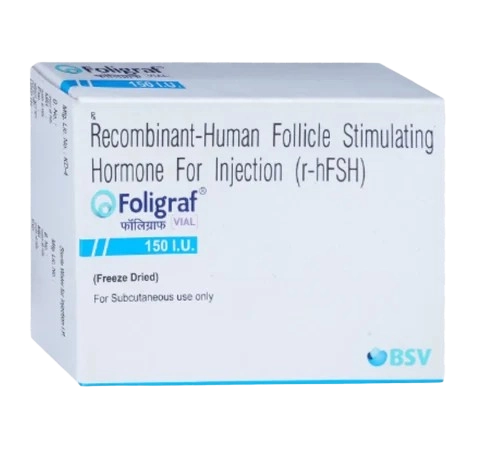
Foligraf 150IU Injection
$71.50
$89.38
Save 20%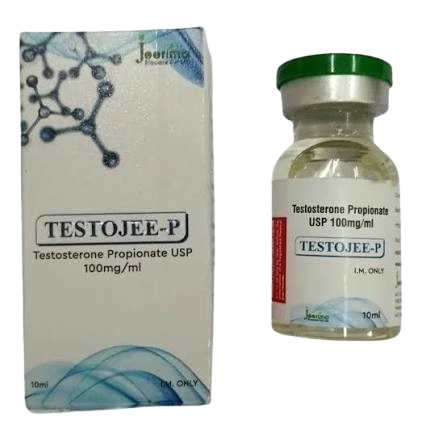
Testojee-P 100 mg Injection (Testosterone Propionate) – 10 ml Vial
$14.50
$18.13
Save 20%